


Image
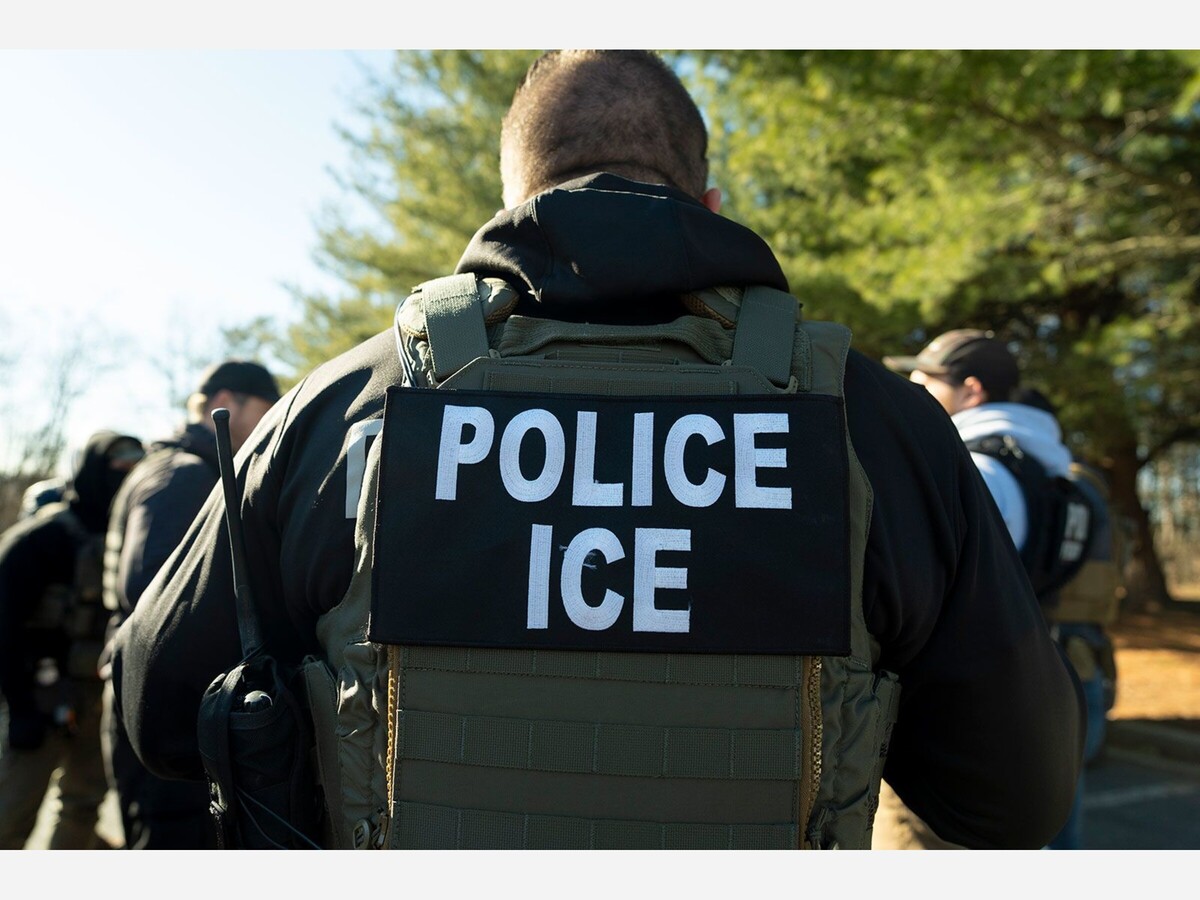
Image courtesy of cnn.com
The surge in deportations carried out by the U.S. Immigration and Customs Enforcement (ICE) in 2025 has reignited national debate over immigration enforcement, civil rights, and racial justice. While the federal government frames these wrongful deportations as being for “public safety” and “border control,” studies show that the current deportation strategy disproportionately harms minority and immigrant communities. The result is a system that is flawed, one that structurally targets racial and ethnic minorities, undermines constitutional protections, and trust within the government.
Recent investigations in 2025 reveal that a majority of deportation priorities involve individuals with minimal or no criminal history. Roughly ⅔ of deported individuals between January and May have had no criminal convictions, and only about 12% have had violent or potentially violent offenses. Instead, many cases are based on traffic violations or minor infractions such as low-level drug possession. Supporting this claim of disproportionate targeting, data from the New York Immigration Coalition reveal that three out of every four New Yorkers arrested by ICE are Latino, despite Central and South Americans comprising a smaller share of the local immigrant population. Enforcement practices in America disproportionately affect racial and ethnic minorities, and this broadening of enforcement priorities has effectively expanded ICE’s reach into everyday life, sweeping up people from the street who don’t pose a true safety risk. What arises is a dragnet that falls disproportionately on Black, Latino, and immigrant neighborhoods, where over-policing and surveillance are already more common.
The consequences of these deportations goes far beyond wrongful arrests. Communities across America have reported heightened fear, trauma, and instability, especially among immigrant families. A national survey of school officials found that ICE operations have created a “culture of fear” among immigrant families, resulting in increased absenteeism, emotional distress, and a rise in bullying of immigrant students. Families report avoiding public spaces, skipping medical appointments, and refraining from reporting crimes out of fear of deportation. In effect, immigration enforcement has reshaped daily life in many minority communities, undermining safety rather than enhancing it.
The impact is especially visible in cities where specific ethnic groups have become targets. In Minneapolis, for example, intensified actions directed at the Somali community, fueled in part by political rhetoric, have sparked fear among residents. Reports show Somali Americans, including U.S. citizens, avoiding public life and feeling singled out by federal authorities. Such targeted enforcement not only harms the trust between the government and minority communities but also raises broader questions about racial profiling and the unequal application of federal power within immigration enforcement.
The expanse of executive authority within immigration enforcement only amplifies the harm experienced by these communities. Immigration laws exists largely within the executive branch, granting them the discretion over enforcement policies, detention, and removal. Unlike criminal law, immigration enforcement often operates outside traditional checks and balances, allowing executive agencies to act with limited judicial oversight.
Legal shifts have also highlighted more aggressive enforcement. Recent court decisions have broadened legal authority for immigration sweeps, allowing agents to conduct “roving patrols” and easing restrictions on neighborhood-level operations in cities like Los Angeles. Civil rights organizations warn that these rulings increase the likelihood of racial profiling and unconstitutional searches, especially in communities of color that already face long histories of discriminatory policing. At the same time, the deportation process itself often denies individuals meaningful access to fair hearings. Immigration courts remain severely backlogged, many detainees lack legal representation, and expedited removal procedures frequently limit opportunities to challenge wrongful detention. Congressional hearings have often revealed cases of wrongful detentions and even the removal of individuals with legal status, such as Kilmar Abrego Garcia. Garcia, who was freed from immigration detention on December 11th, is one of the millions who’ve been wrongfully deported in the Trump’s administration immigration crackdown. He’s lived here for years, establishing a home and settling down with a family, when ICE attempted to detain him without legal authority and deport him to El Salvador. When he was mistakenly sent there in March, his case became a rallying point for those who oppose President Donald Trump’s immigration enforcement actions.
Ultimately, the current wave of deportations reflects a broader struggle over the meaning of belonging in America. While the stated goal of immigration enforcement is to uphold the law, the implementation of these policies is anything but. By disproportionately targeting minority communities, sweeping up individuals with no criminal history, and inflicting collateral harm on families, schools, and local economies, ICE’s 2025 deportation strategy raises profound ethical and constitutional concerns. As the nation contemplates its future direction on immigration, the stories from classrooms, neighborhoods, and workplaces reveal the human cost of policies, the individuals harmed from ICE, and the discrimination within our communities. Whether the United States chooses to confront these inequities will not only determine the fate of millions of immigrants, but also its character of democracy.


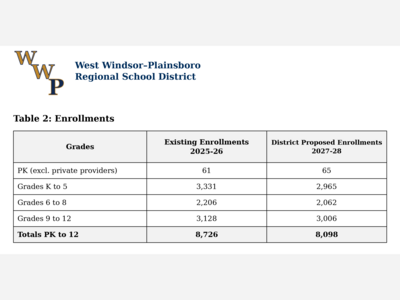
I would like to see the Long Range Forecast you cited. I have been tracking enrollment for over 5 years. The 8098 projected enrollment would represent a 17% decrease in enrollment over the past 10 years!

I read that Dana Krug is Chairwoman of the Finance Committee of the WW school board, which means to me that she is the right person to respond to Mehno's very reasonable inquiries. My hopes are that Ms. Krug will respond adequately according to her duties and capacity as Chairwoman.
I will give her the benefit of the doubt. But Krug never responds to any inqueries.....she is not approachable nor she cares.

Sunny, with a high of 67 and low of 47 degrees. Sunny for the morning, clear in the afternoon and evening,


Is all of that $54.3M accounted for and where is it?
That is a question that I have been asking Aderhold and I have not received any answer. I do not know where it went.
We taxpayers are fortunate to have Veronica Mehno as such a concerned and knowledgeable member of our community, and I echo her concerns about the expenditures and practices of the West Windsor school administrators.
I hope Aderhold will respond to my complaint submitted to the Education Department. I have been asking the same 2 questions since August 17, 2026 and Aderhold responds by telling me that money surplus can be legally transferred to the capital reserves account.
Would it be able to contact you offline? My name is Dr.Amar Atre. I am running for BOE for WW-P in the coming election. My e-mail is atreboe@gmail.com. Number is 404-617-5969.

I request that Superintendent Aderhold respond to the questions Virginia Mehno raises. And also, why would later school start times result in additional buses and drivers with higher fuel costs?
Enrollment has dropped about 10% over 15 years. This is a trend not unusual for other districts. Adding capacity makes no sense.

Veronica, have any of the following resources been contacted to complete an investigative audit?
The question is not whether the transfers were legal or properly recorded.